Hardscape contractors serving Jonesboro, AR & Craighead County
Jonesboro gives homeowners two very different yards to work with. Up on Crowley's Ridge, silty soil can wash off a slope after one hard rain. Down on the flat ground around it, water tends to sit instead of draining away. Good hardscaping in Jonesboro, AR has to account for whichever one you have. We build paver patios, retaining walls, walkways, outdoor kitchens, fire pits, and full backyard remodels with that ground in mind, from Nettleton to Southwest Jonesboro and out to Paragould, Brookland, Bono, and Bay.
Tell us about your project and a local contractor will reach out to talk it through.
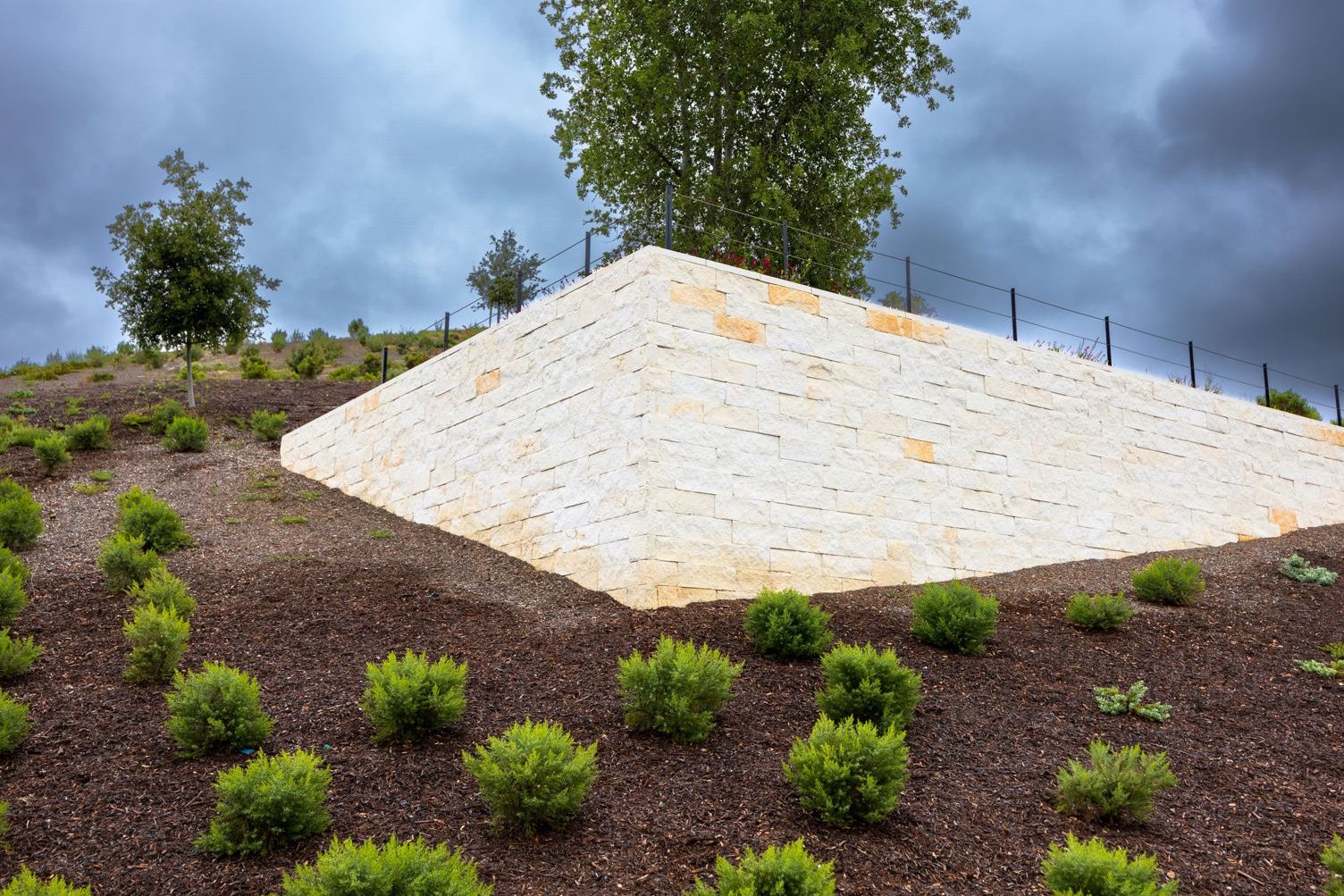
Photo: tall stacked stone retaining wall on a hillside lot
Jonesboro sits on Crowley's Ridge, a long strip of high ground that rises roughly 250 feet above the flat Delta farmland around it. The ridge is capped with loess, a fine, wind-deposited silt. When it's covered and protected, loess holds up well. When it's left bare, or when a downspout or a hard rain concentrates water in one spot, it washes out quickly and loses strength once it's soaked. That's why so many ridge yards have a bank that keeps creeping toward the fence line.
Off the ridge, the problem flips. The land is so flat that rain has nowhere to go, and in some neighborhoods even a modest storm leaves water standing in the yard for days. A patio poured or laid on that kind of lot without planning for runoff turns into a shallow pond the first wet spring.
So before we talk about pavers, stone, or block, we look at which of those situations your property is dealing with. Most of the work that decides whether a hardscape lasts happens below the surface: how deep we dig, how well the base is compacted, where water is sent, and how the grade moves it away from your house. The finished surface is what you see. The groundwork is what keeps it looking that way. If you'd like a second set of eyes on your yard, send us a few details or call (870) 876-2871.
What we build
Hold a washing slope in place, level out a ridge lot, or build terraces you can actually use.
Paver patios and natural stone patios pitched so rain runs off instead of collecting.
Front paths and side-yard routes that stay level through wet springs and winter freezes.
Cooking and gathering spaces set on a solid base, for spring evenings and cool fall nights.
Grading, planting, and ground cover that protect bare soil and steer water where it belongs.
Several features planned as one yard, built together or in stages that fit your budget.
How a project comes together
A short stepping-stone path and a terraced yard with a patio and fire pit are very different jobs, but they move through the same stages. It helps to know them before you collect quotes. If one bid is noticeably cheaper, it's worth asking which of these steps got trimmed.
We walk the yard with you, note the slope, check the soil, and ask where water goes during a heavy rain.
You get a layout, a few material choices, an itemized quote, and a timeline. If the city is likely to require a permit, we point that out now.
After a call to Arkansas 811 to mark utilities, we excavate, set the grade, and compact gravel in lifts. On silty ridge soil or soggy flat lots, this is the step that matters most.
Pavers, stone, block, or brick are set with edge restraint, drainage details, and properly filled joints so the surface stays put.
We clean the site, look over the finished work with you, and explain the little bit of upkeep that keeps it in good shape.
Why homeowners choose us
A ridge-top slope and a flat Delta-edge yard need different plans. Craighead County has both, so the ground decides the design, not a template.
Summers here are hot and humid, winters bring freeze-thaw cycles, and spring storms can be heavy. We schedule base work and curing for stretches that suit them, whether it's a retaining wall or a paver patio.
You get a clear explanation of what your yard needs and what it doesn't. If a smaller fix will do the job, we'll say so.
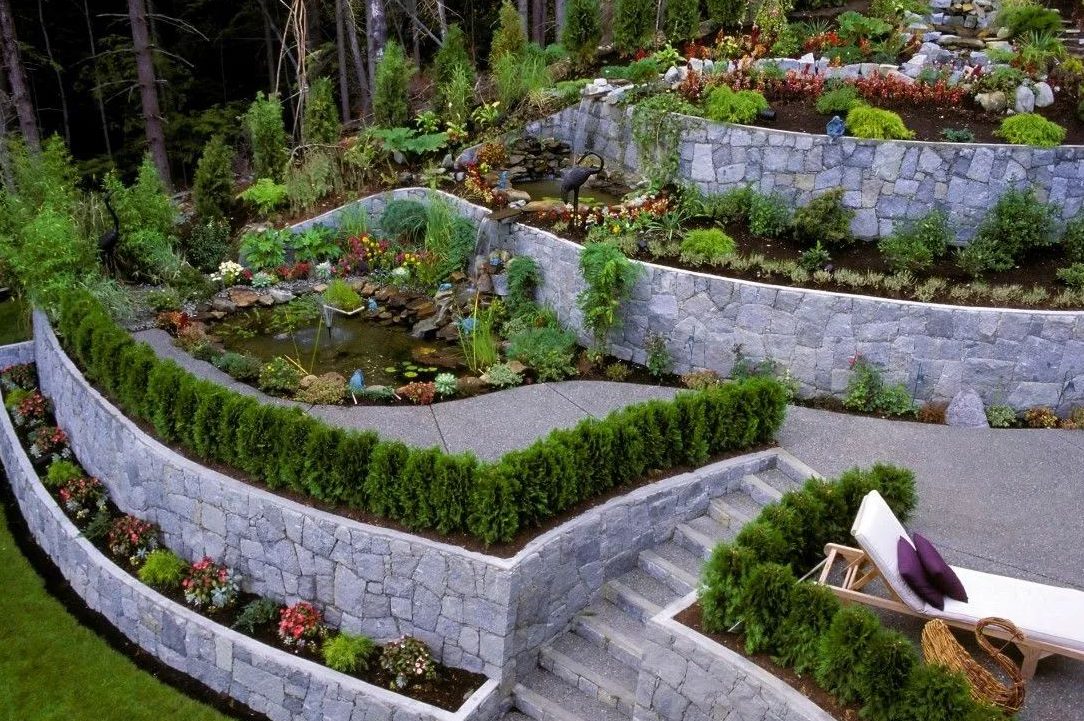
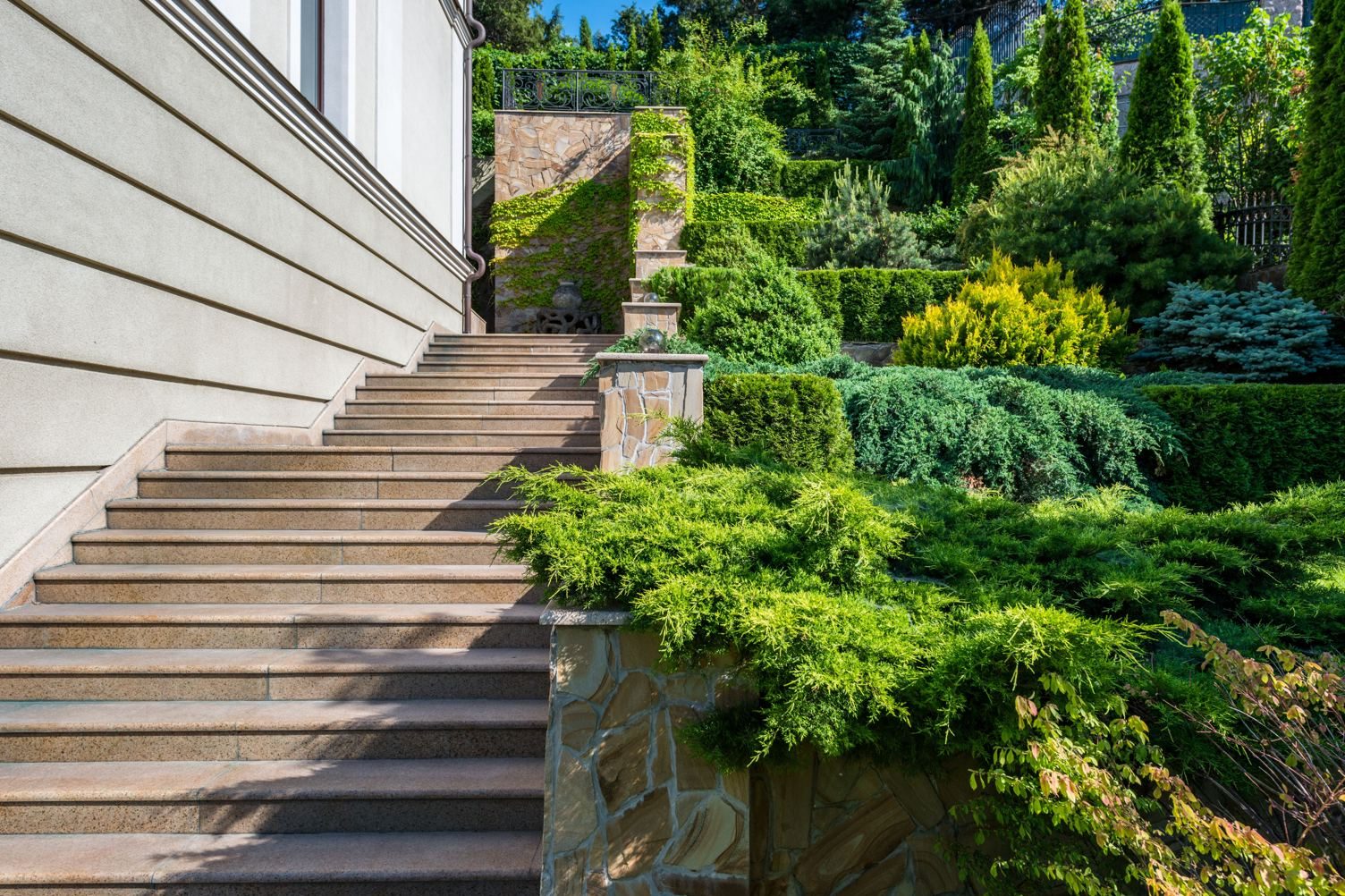
Photo: terraced stone walls and steps on a hillside gardenHow we work
Pricing a hardscape from a phone description rarely works out, so we start on site. We want to know what's prompting the project. Maybe a bank is eroding into the lawn, maybe the back door opens onto mud every spring, or maybe an old cracked slab just needs to be replaced with something better. We also check how steep the ground is, which way water flows during a storm, and what kind of finish suits your house. Once we have that, you get an itemized quote and a timeline you can plan around, so the number doesn't change after the crew arrives.
The calendar is part of the plan too. Loess gets soft and weak when it's saturated, so we avoid opening up a slope right before a stretch of heavy rain, and we time concrete and mortar work for weather that lets them cure properly. If you're not sure when your project makes sense, ask us and we'll talk through the options.
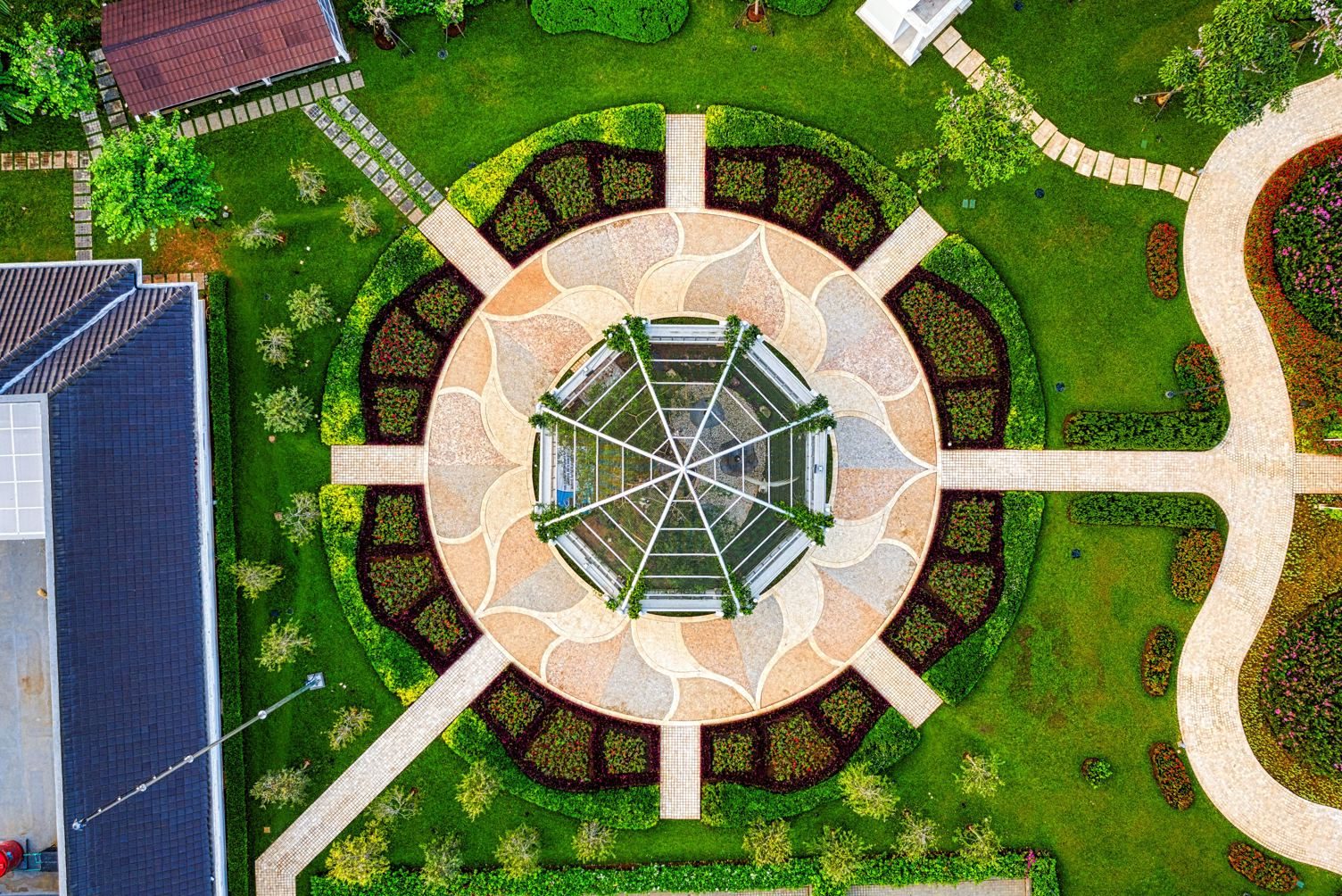
Photo: aerial view of a circular garden with paver patio and gazeboWhere we work
Our hardscaping work covers Jonesboro and the rest of Craighead County. Inside the city, that includes Nettleton, the Valley View area, Southwest Jonesboro, the neighborhoods around Arkansas State University, and the streets near Craighead Forest Park. We also work in Paragould, Brookland, Bono, and Bay.
Each of those places has its own mix of sloped and flat lots, so no two quotes look alike. We price your yard based on its grade, how it drains, what the soil is like, and how you plan to use the space. Not sure if you're in our area? Call (870) 876-2871 and ask.
A hardscape-first contractor
Plenty of lawn services, remodelers, and slab crews in Northeast Arkansas will list a patio or retaining wall among their services. For us, hardscaping in Jonesboro, AR is the main job rather than an add-on. You notice the difference in the parts nobody photographs: how thick and well compacted the base is under a paver patio, whether there's gravel and a drain pipe behind a retaining wall, and whether a walkway is pitched away from the house or toward it. Those details are usually what separates a project that still looks right years later from one that has to be torn out.
Local ground matters just as much. A plan that works on a flat suburban lot somewhere else can fail on a loess slope that erodes when exposed, or on a low yard where water stands after a storm. We design for the conditions your property actually has, and we explain why each piece of the plan is there.
The process itself stays simple. We look at the yard, tell you what we see, and give you a written quote and a realistic schedule. You decide what makes sense for your budget without being pushed toward extras you don't need.
If you want to read up before you meet with anyone, the University of Arkansas Cooperative Extension Service has useful material on soils, drainage, and plantings in Arkansas yards. It's a good, neutral way to get familiar with the basics, and we're glad to answer whatever questions it raises. Reach out when you're ready.
Our hardscape work centers on the conditions found around Jonesboro: silty ridge slopes that erode when exposed, flat lots where rain collects, and a climate that moves from humid summers to freezing winter nights. Each design begins with how your property sheds water and how steep it is. Each build gets the same groundwork: a compacted base, planned drainage, and materials that suit the site. That holds whether we're building a retaining wall on a hillside or a small paver patio off the back door, because those hidden details decide how well the finished work holds up.
Big or small, every job gets built to one standard. The base is compacted in layers, water has a planned path off the surface, and the materials are rated for freeze-thaw cycles and long, hot summers. The goal is a patio, wall, or path that still sits level and drains well many seasons from now, not one that only looks sharp the week it's finished.
Fixing erosion or standing water is often the reason a project starts, but the result also changes how your home looks from the street and how often you use the yard. We match materials and layout to the house, whether it's a brick ranch, a newer two-story, a farmhouse-style build, or something else. A clean walkway, a tidy wall, or a well-proportioned patio makes the whole property feel more finished.
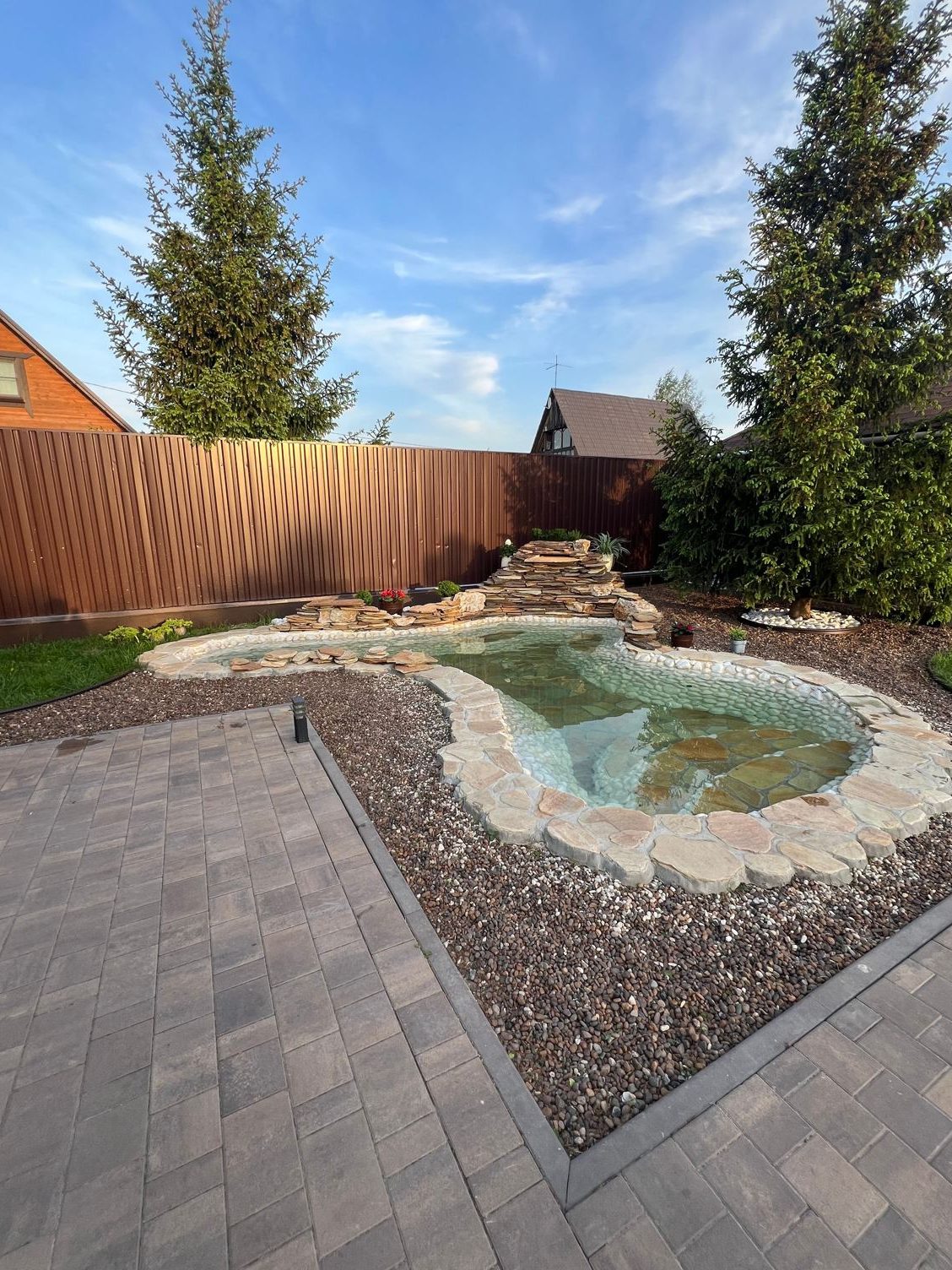
Photo: backyard pond with stone edging and paver patioAbout us
We're a locally owned and operated, insured hardscape contractor, and our approach comes down to one belief: a yard on Crowley's Ridge, or on the flat ground below it, shouldn't get a plan copied from somewhere with completely different soil. A paver patio that does fine on sandy ground elsewhere can heave or settle here, and a wall without drainage behind it can bow on a wet slope. So the first thing we do is look at your yard, watch how water moves across it, and figure out what it needs.
After that, you get a plain-language quote and a schedule you can count on, along with work meant to last through hot summers, cold snaps, and spring storms. Maybe your slope is slowly slipping, your old patio has cracked and tilted, or your backyard has simply never been usable. Whatever the case, we'd be glad to help you sort out the right fix. Tell us about your yard or call (870) 876-2871 during business hours.
Why bring in a pro
Patios, retaining walls, and walkways look simple from the surface, which is why so many DIY and bargain jobs come apart early. The tricky parts are underneath: how much base the soil needs, where the water should go, and which materials can take repeated freezing and thawing. Getting those right gives you more usable outdoor space and a better-looking property. It also deals with problems like a washing slope or a soggy corner of the yard before they cause damage that costs more to repair.
A single walkway gets the same attention as a full backyard. That means a careful look at the property up front, clear updates while the work is underway, and building methods suited to ridge slopes and low, flat lots alike. The aim is an outdoor space you enjoy using, built correctly so you aren't revisiting it in a few years.
A plate compactor, a saw for cutting pavers, and several tons of gravel add up fast for a one-time weekend project. The bigger expense, though, is rebuilding a patio or wall that sank or bowed because the base wasn't right. Bringing in a crew with the right equipment and materials avoids both costs and gets the project done in days instead of stretching across months of weekends.
When the groundwork is done properly, there's less upkeep and far fewer surprises. You're not watching a wall lean a little more after each storm or resetting sunken pavers every spring. Putting the effort in at the start is usually the least expensive way to own a hardscape over the long run.
Our services, in detail
Photo: tiered stone retaining walls around a garden pondOn Crowley's Ridge, a bare or poorly protected slope can lose a surprising amount of soil in a single storm, because loess erodes quickly once water starts cutting into it. A retaining wall holds that ground in place and can turn an unusable bank into level terraces for a lawn, garden beds, or a patio. We build walls from segmental block, natural stone, and brick. Every wall gets a compacted footing, free-draining gravel, and a drain behind it, so water pressure doesn't build up and push the wall out of line. If an old timber or block wall is already leaning, we can tell you whether it's worth repairing or should be replaced. Questions about a slope on your property? Get in touch.
Learn More →
Photo: paver patio with pergola and dining tableFor a lot of homeowners, the patio is the piece that makes the backyard feel like part of the house. As patio builders, we start with the ground. On a flat lot where rain tends to pool, the patio needs enough slope to shed water and a base that won't stay soaked. On a ridge lot, it may need a low wall or some regrading before there's level space to build on. With that settled, we help you pick the surface. Pavers give a clean, uniform look and are easy to repair one piece at a time, while natural stone has a more relaxed, irregular feel. Ready to plan a paver patio? See our patio page or call (870) 876-2871.
Learn More →
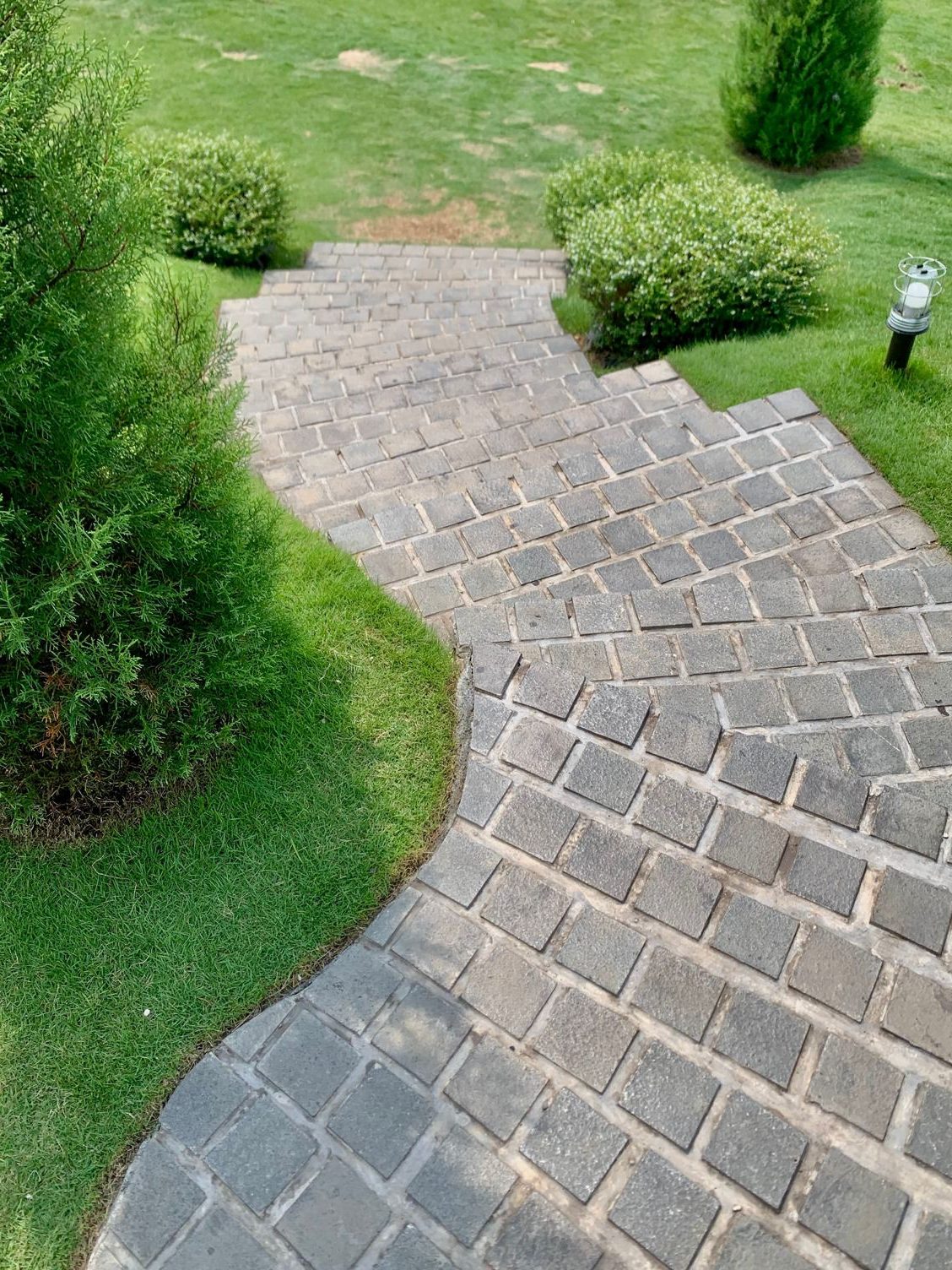
Photo: curved herringbone brick walkway through a lawnWhen a walkway tilts, sinks, or develops a trip edge, the cause is almost always below the surface. The base was too thin, it wasn't compacted, or water kept running underneath it. We build paver, brick, natural stone, and stepping-stone walkways on a compacted gravel base with edge restraint, and we pitch them so rain runs off to the side instead of toward your foundation. That might be a short path from the driveway to the front door, or a longer route tying the back door to a patio, fire pit, or garden. Most of the effort goes into the parts you'll never see, because that's what keeps the pavers level. Want to replace a path that keeps shifting? Learn more about walkways.
Learn More →
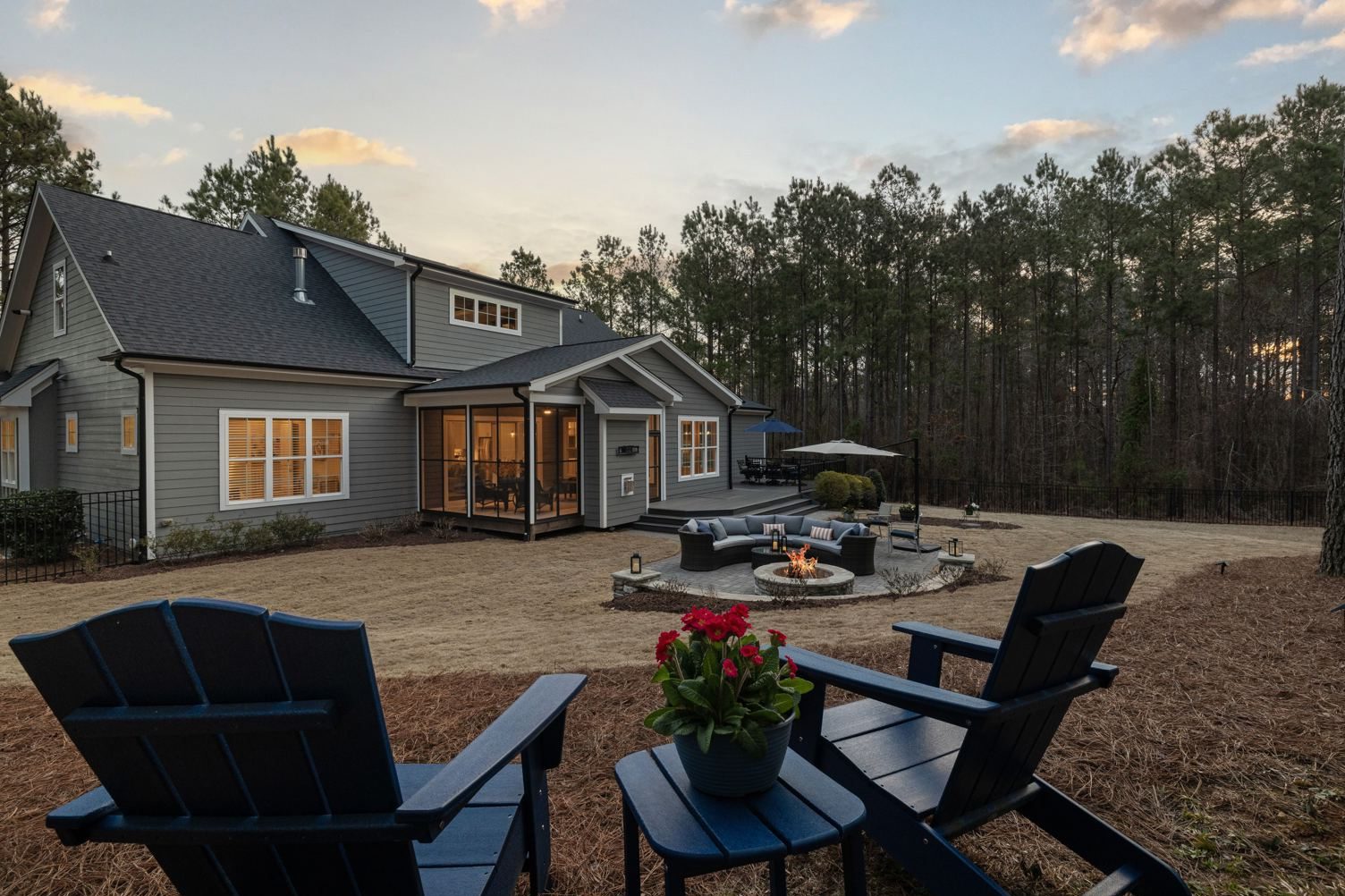
Photo: fire pit and Adirondack chairs on a patio at duskSpring and fall evenings in Northeast Arkansas are made for being outside, and a fire pit or outdoor kitchen gives everyone a reason to gather. An outdoor kitchen can be as simple as a built-in grill with counter space, or as complete as a full cooking station with storage and a bar. A fire pit can stand alone or sit at the center of a seating area. Either way, we use heat-rated block and firebrick where they're needed and set everything on a compacted, well-drained base, so the structure doesn't crack or settle when the ground freezes and thaws. If you're starting to picture one, tell us what you have in mind.
Learn More →
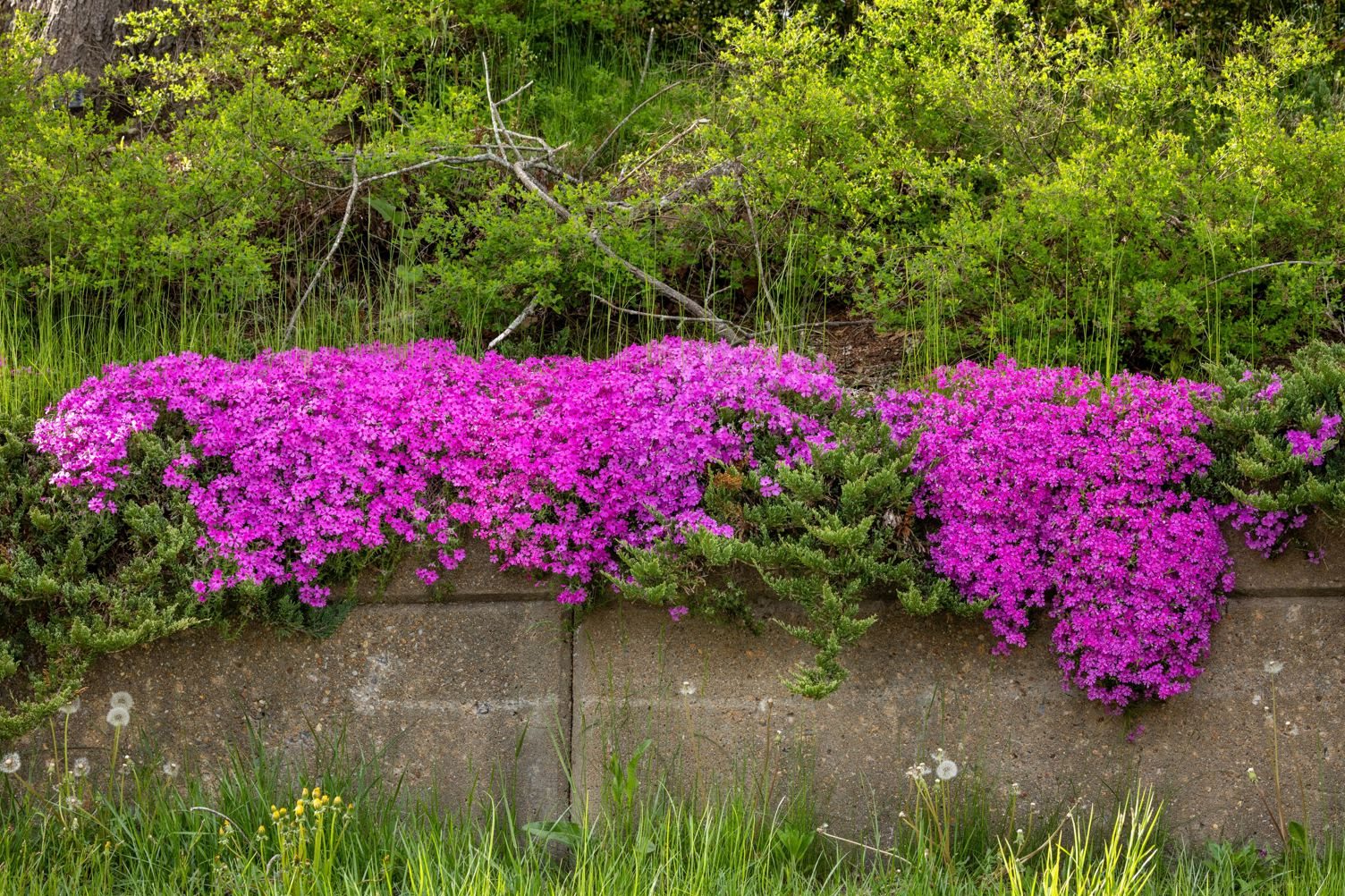
Photo: creeping phlox draped over a retaining wallHardscape and planting work best when they're planned together. On a ridge lot, the soil left bare after construction is exactly the soil that washes away, so groundcover, mulch, and shrubs around a new wall or patio do real work holding it in place. On a flat lot, grading and planting beds can help guide water away from the house and toward places where it can soak in or drain off. We handle grading, bed layout, and planting alongside the hardscape, so the whole yard fits together instead of feeling like two separate jobs. Thinking about the planting side of your project? Read more here.
Learn More →
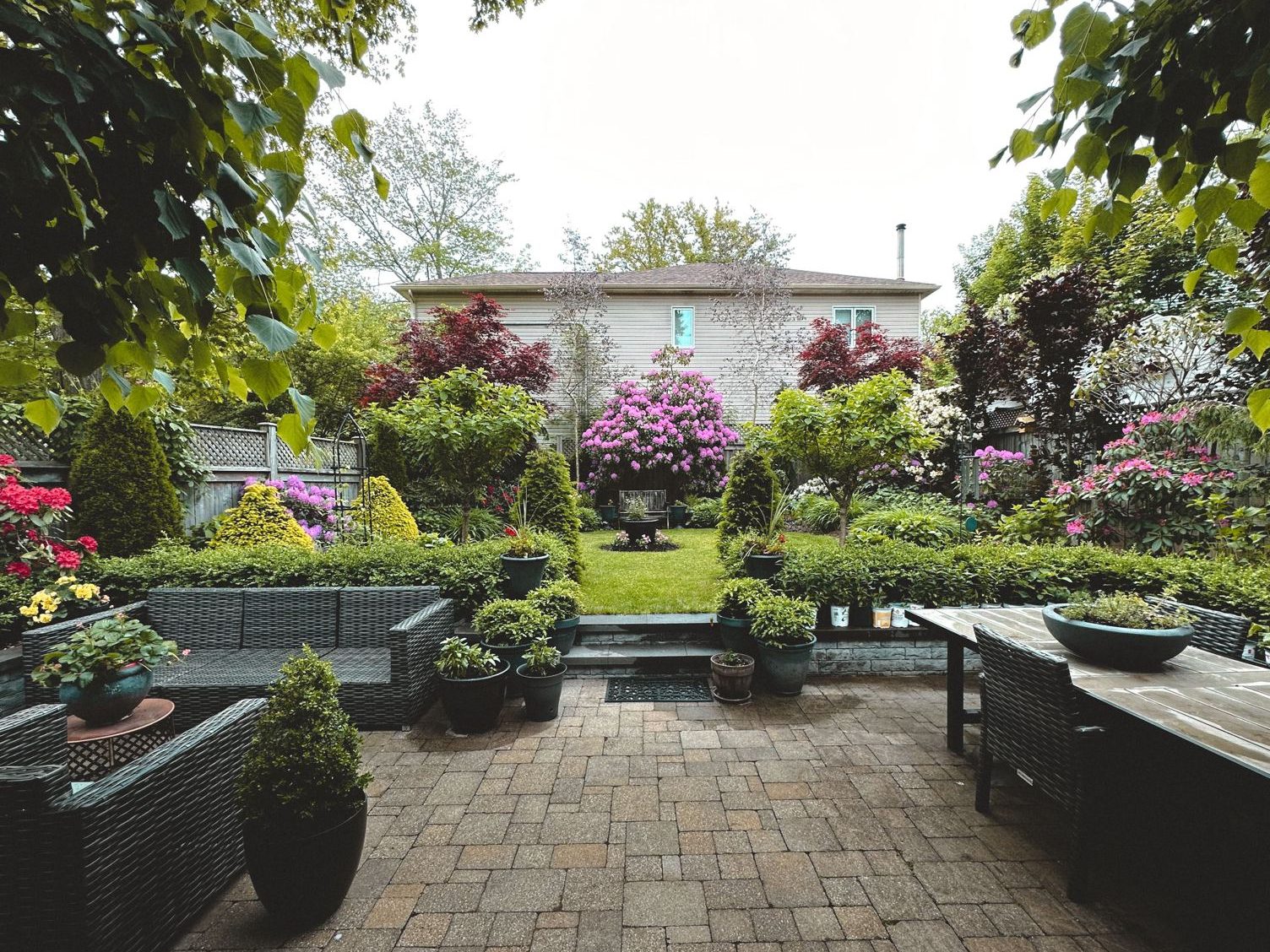
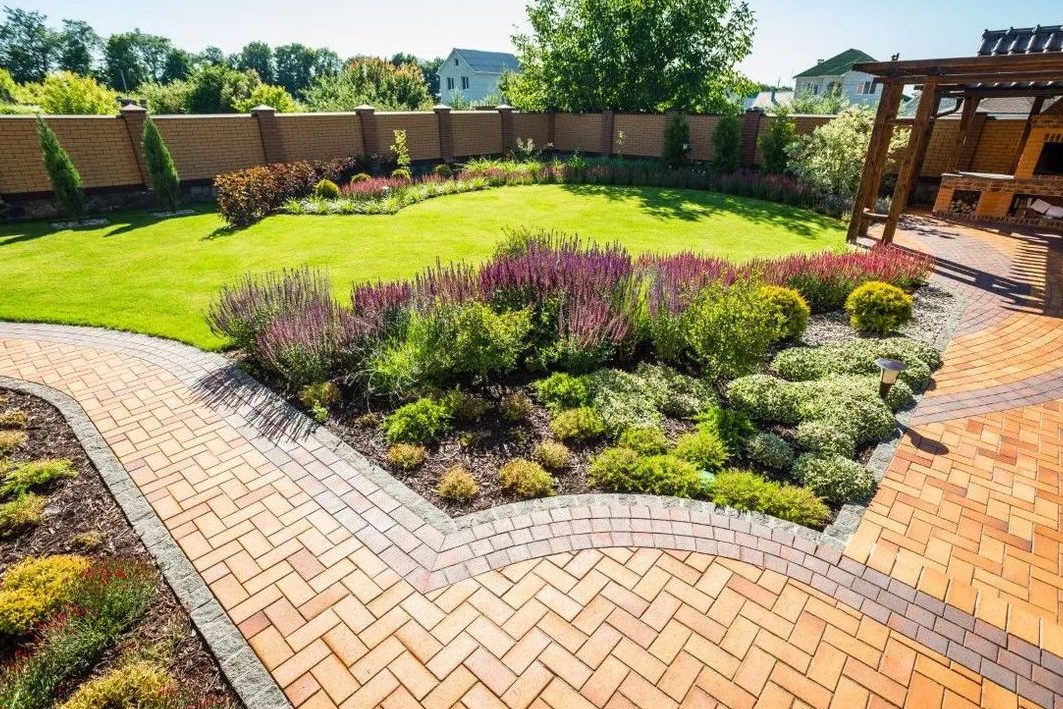
Photo: brick patio, round lawn, planting beds, and pergolaSome backyards have more than one problem to solve. A typical remodel here starts by dealing with the ground, whether that's holding back an eroding slope or fixing a low spot where water sits. Then come the pieces that make the space enjoyable: a paver patio, a path to connect it, a fire pit or outdoor kitchen, and planting to finish it off. Designing everything at once keeps the grades, drainage, and materials consistent, and it often costs less than building one piece at a time over several years. You can have it built in one stretch or broken into phases. Start the conversation whenever you're ready.
Learn More →Hardscaping Jonesboro, AR homeowners can rely on
Whether you're thinking about a paver patio, a retaining wall, a new walkway, an outdoor kitchen, or a complete backyard remodel, the plan should fit the lot it's going on. Around Jonesboro, that could mean loess slopes that erode when exposed, flat yards where water collects, or a bit of both on the same property. We answer that with a solid compacted base, planned drainage, and materials that handle summer heat and winter freezes. If you'd like an honest opinion on what your project will involve, reach out and we'll set up a time to look at the yard together.
Learn More →Common questions
A hardscape contractor builds the non-plant parts of a yard: paver patios, retaining walls, walkways, steps, outdoor kitchens, and fire pits. The job also covers the work underneath, like excavation, grading, a compacted gravel base, and drainage. When you compare quotes, check that each one spells out the base depth and how water will be handled.
On Crowley's Ridge, the loess soil erodes quickly once it's bare or once runoff is concentrated in one spot. Depending on how steep the slope is, the fix may be a retaining wall, a set of terraces, regrading to spread out runoff, planting to cover exposed soil, or a combination. We figure out where the water is coming from before recommending anything.
Usually, yes. On a flat lot, the patio needs enough pitch to shed water, a base that drains, and sometimes grading or a drain that carries water somewhere better. Building a patio without dealing with the standing water tends to make the problem worse, so we plan the two together.
It depends on the project. The City of Jonesboro requires a permit for property work that isn't maintenance or cosmetic, all new fences need one, and accessory structures have zoning standards for size, height, and setback. The city's Planning & Zoning office can confirm what applies to you, and we point out anything likely to need a permit when we quote.
Scope sets the timeline. A short walkway or small paver patio is often a matter of days, while a larger patio, a tall retaining wall, or an outdoor kitchen can take a few weeks. Weather plays a part too, since we avoid opening up soil right before heavy rain. Your quote includes a realistic schedule.
Jonesboro and the rest of Craighead County, including Nettleton, the Valley View area, Southwest Jonesboro, and the neighborhoods around Arkansas State University. We also work in Paragould, Brookland, Bono, and Bay.
There's no single number, because size, materials, access, and site conditions all change the price. A short walkway and a full backyard remodel with a retaining wall and patio are very different budgets. Once we see your property, you get an itemized quote that shows where the money goes. To get started, send us your project details or call (870) 876-2871.
The cooler months are a good time to look at your yard, work out a design, and sort out any permits, so you're ready to build when the weather cooperates.