Service · Jonesboro, AR

Retaining Wall Contractors in Jonesboro, AR

Most Jonesboro yards run into one of two problems. Up on the ridge, the ground falls away in slopes that shed soil every time a storm comes through. On the flatter lots, water has nowhere to go and sits against fences, beds, and foundations. A well-built retaining wall can help with both. It holds a slope in place, gives you level ground you can actually use, and creates a chance to steer water where you want it. If that sounds like your yard, call (870) 876-2871 or request a free quote.

Get a Free Quote

Tell us about your yard and a local contractor will reach out to talk it through.
No obligation. Your details go to a local contractor who will contact you about your project.

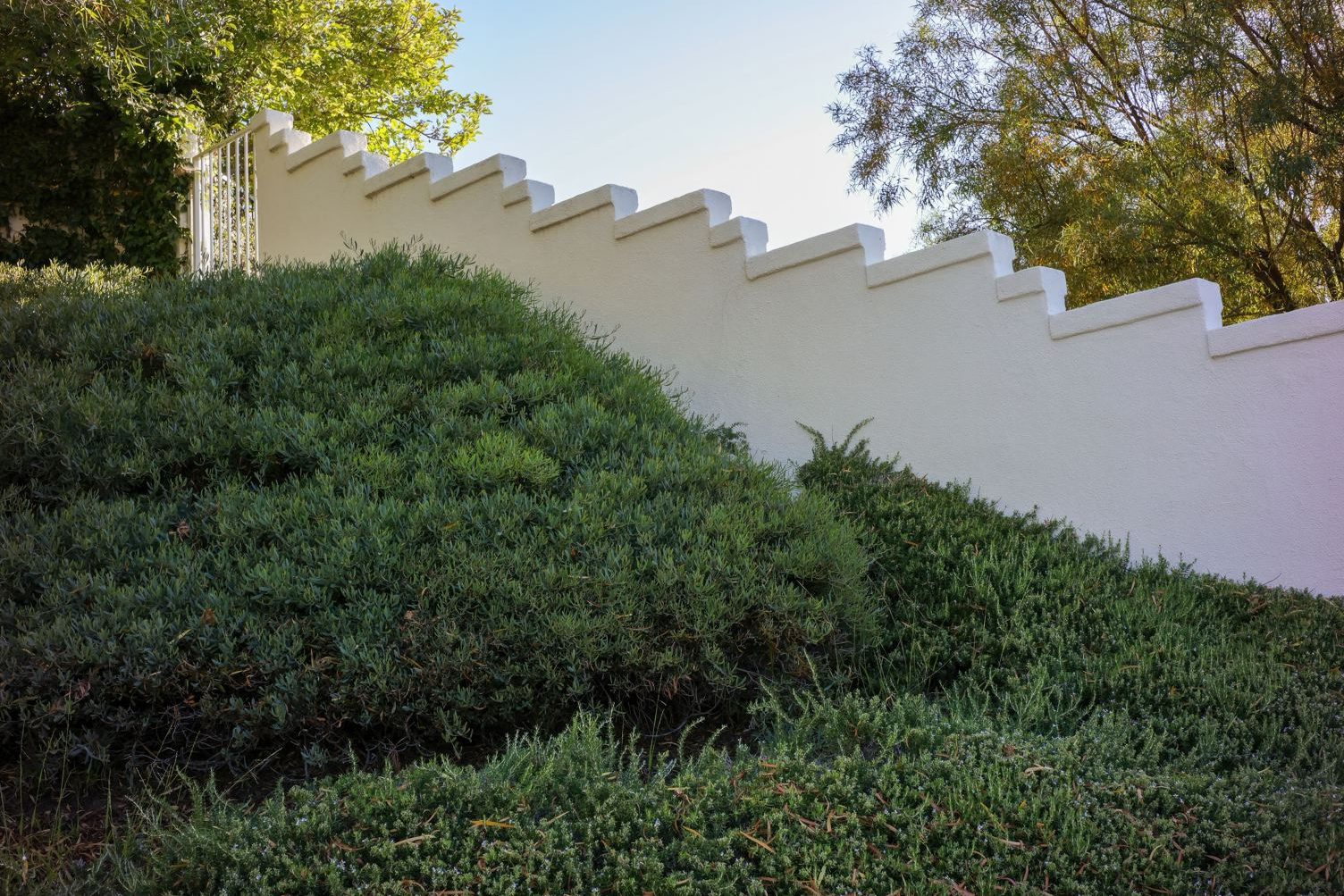
White stone retaining wall terracing a steep hillside, topped by a cable railingPhoto: terraced stone retaining wall below a cable railing on a hillside
Ridge slopes and Delta flats

Why Jonesboro Yards Need Walls That Drain

Jonesboro sits on Crowley's Ridge, a narrow band of high ground that rises roughly 250 feet above the flat Delta farmland around it. The ridge is capped with loess, a fine, silty soil laid down by wind. Loess holds a steep face surprisingly well when it's covered in roots and left alone, but strip the grass off it or send a concentrated stream of water across it and it washes out fast. Once it's saturated, it loses much of its strength. That's why so many sloped backyards on the ridge show gullies, exposed roots, and beds that slump a little more every spring.

Off the ridge, the problem flips. The land around much of Craighead County is so flat that rainwater pools instead of running off, and county emergency officials have noted that some neighborhoods flood even in smaller rains. On those lots a retaining wall is often less about holding back a hill and more about raising a patio or bed above wet ground and regrading the yard so water drains away from the house. Either way, the wall only works if the drainage behind and around it is planned from the start.

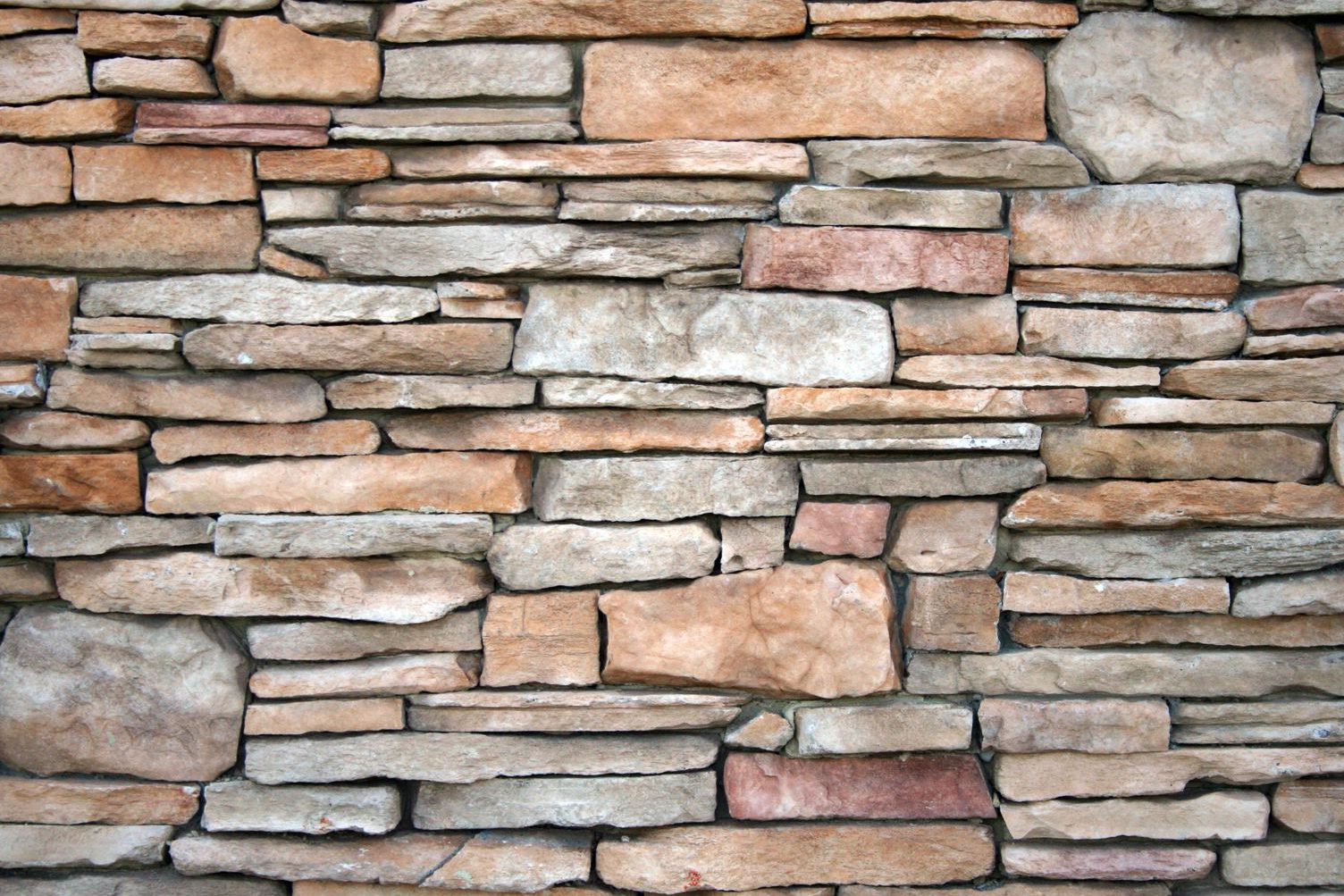
Close-up of dry-stacked natural stone showing the texture of the wall facePhoto: close-up of a dry-stacked natural stone wall face

How we build them

What Separates a Wall That Lasts

  • Drainage first: perforated pipe at the base and clean, washed gravel behind the wall so water can escape instead of pushing on the blocks
  • A compacted gravel footing set below grade, because silty ridge soil softens and shifts if a wall sits right on top of it
  • Filter fabric where it's needed, so fine loess doesn't migrate into the drainage stone and clog it
  • Materials matched to the house and the budget, including segmental block systems, natural stone, and brick
  • A design sized to the slope, with taller grade changes stepped into terraces or engineered as needed, and a check with the city on permits before anything is built

Signs it's time for a wall

Does This Look Like Your Yard?

Timing

When to Schedule a Retaining Wall

Late summer through fall is usually the easiest stretch to build in Northeast Arkansas. The ground tends to be drier, which makes digging and compacting silty soil far more predictable, and a wall finished before winter has time to settle before freeze-thaw cycles and the heavy spring storms show up. Walls can be built in other seasons too, but saturated loess is hard to work and hard to compact, so after a long wet spell we would rather wait a few days than build on mud. Before any excavation, buried utility lines get marked through Arkansas 811.

A Retaining Wall Planned Around Your Lot

No two lots around Jonesboro behave quite the same way. A backyard on the ridge might drop sharply toward a ravine, while a lot out on the flatter ground toward Bay may be nearly level and slow to dry. As a local hardscape contractor, we start by looking at how tall the grade change is, where water comes from and where it can go, and what you want to do with the space once it's level. From there we recommend a wall height, material, and drainage plan. If the new flat ground is a good spot for a paver patio or a walkway, we can plan those as part of the same project.

Get a Free Quote

Common questions

FAQ

Possibly. The City of Jonesboro says a permit is required for any work on your house or property that isn't maintenance or cosmetic, and a structural retaining wall usually isn't cosmetic. The city hasn't published a simple height cutoff, so the safest step is to check with Jonesboro Planning & Zoning before work starts. If you live outside city limits, the rules can differ, and we'll help you figure out who to ask.

Much of Jonesboro sits on loess, a fine, wind-deposited soil that stays put when it's covered in grass and roots but erodes quickly once it's bare, or when runoff gets concentrated in one spot like a downspout or the edge of a driveway. A retaining wall, paired with drainage and replanting, takes that loose face out of the path of the water.

Sometimes. On flat lots the main fix is usually grading and drainage, but a low wall can raise a patio, garden bed, or play area above the wet ground, or hold a regraded slope that moves water away from the house. If a wall isn't the right tool for your yard, we'll say so.

Water. When rain soaks the soil behind a wall and has no way out, pressure keeps building until the wall leans, bulges, or tips. Silty soil makes this worse because it gets weaker as it gets wetter. Drain pipe, washed gravel backfill, and a solid compacted base are what keep a wall standing, and they're the parts you never see once it's finished.

The most common choices are segmental concrete block systems, natural stone, and brick. Block systems interlock and are a good fit for taller walls, natural stone has a more organic look, and brick can tie the wall to the house. We'll go over cost and appearance for each option that suits your slope.

Yes. A lot of calls are about older timber or block walls that are rotting, leaning, or cracking. Sometimes a section can be rebuilt, but often the drainage was never installed and the wall needs to come out and go back in properly. We'll look at it with you and explain what we find.

A wall with a proper base, good drainage, and materials suited to its height should hold up for decades. The main upkeep is keeping drain outlets clear and making sure downspouts don't dump water right behind the wall.

Ready when you are

Talk to a Jonesboro Retaining Wall Contractor

Whether you're watching a slope wear away a little more after every storm, dealing with an old wall that's starting to lean, or tired of a flat yard that stays soggy, it helps to have someone look at the whole picture. We'll walk the property with you, go over options for the wall and the drainage behind it, and put together a clear, itemized quote. Call (870) 876-2871 Monday through Friday, or use the button below to tell us about your project.

Get a Free Retaining Wall Quote